


Living with chronic illnesses such as diabetes, heart disease, and arthritis requires proactive management to maintain health and quality of life. These conditions demand a comprehensive approach that includes lifestyle adjustments, medication adherence, and regular medical monitoring.
Diabetes Management
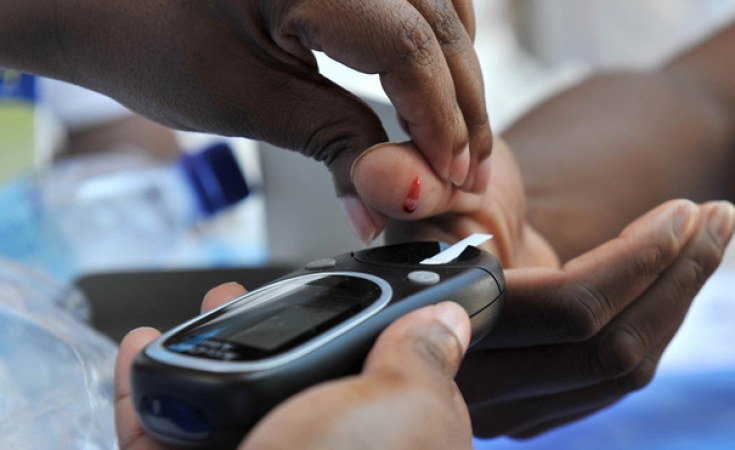
Diabetes, characterized by high blood sugar levels, necessitates diligent self-care practices. Monitoring blood sugar levels regularly helps individuals understand how their diet, physical activity, and medications influence their condition. A balanced diet rich in fruits, vegetables, whole grains, and lean proteins is crucial for managing blood sugar levels effectively. Alongside diet, regular physical activity—such as brisk walking or cycling—enhances insulin sensitivity and aids in blood sugar control. Medication adherence, whether through insulin injections or oral medications, is essential to regulate blood glucose levels. Managing diabetes also involves regular medical check-ups to monitor and address potential complications like eye problems and kidney disease.
Heart Disease Management
Heart disease encompasses various conditions affecting heart function and structure, demanding lifestyle modifications and medical treatments to mitigate risks. A heart-healthy diet, low in saturated fats and sodium, supports cardiovascular health by managing cholesterol levels and blood pressure. Regular aerobic exercise, such as walking or jogging, strengthens the heart and improves overall cardiovascular fitness. Medications, such as cholesterol-lowering drugs and blood pressure medications, are often prescribed to manage heart disease risk factors effectively. Quitting smoking and managing stress through relaxation techniques like meditation or yoga are also crucial for heart health. These strategies collectively help reduce the risk of complications and improve heart function.
Arthritis Management
Arthritis, characterized by joint inflammation and pain, requires strategies to alleviate symptoms and preserve joint function. Regular physical activity plays a pivotal role in managing arthritis by enhancing joint flexibility, strengthening muscles around joints, and reducing pain and stiffness. Maintaining a healthy weight through diet and exercise helps alleviate stress on weight-bearing joints like knees and hips. Medications such as NSAIDs or DMARDs are prescribed based on arthritis type and severity to manage symptoms and slow disease progression. Protecting joints from excessive stress, using assistive devices like braces or splints, and modifying activities to minimize joint strain are essential for managing arthritis symptoms effectively. Physical and occupational therapy sessions offer tailored exercises and techniques to improve joint function and enhance daily living activities.
Practical Tips for Daily Management
In addition to medical treatments and therapies, practical self-care strategies are integral to managing chronic illnesses on a daily basis. Educating oneself about the condition and available treatments empowers individuals to make informed decisions about their health. Building a supportive network of healthcare providers, family, and friends provides essential emotional and practical support in navigating challenges and staying motivated. Tracking symptoms, medications, and lifestyle changes in a journal helps individuals identify effective strategies and monitor progress. Prioritizing self-care activities such as relaxation techniques, adequate sleep, and engaging in enjoyable activities contributes to overall well-being and quality of life.
Conclusion
Managing chronic illnesses like diabetes, heart disease, and arthritis requires a holistic approach that encompasses lifestyle modifications, medication management, and regular medical supervision. By adopting healthy habits, staying informed about their condition, and collaborating closely with healthcare providers, individuals can effectively manage their conditions and improve their overall quality of life. Each person's journey with chronic illness is unique, so finding personalized strategies that work best is key to achieving long-term health and well-being.